Anarchism is a political philosophy and movement that promotes the elimination of hierarchical structures, especially the state and capitalist systems, in favor of self-directed, non-coercive communities. Historically linked to leftist ideologies, it gained prominence in the 19th century and played a role in uprisings such as the Paris Commune and the Spanish Civil War. Thinkers like Emma Goldman highlighted anarchism's capacity to encourage free human development, whereas Robert Hunter expressed concerns about its potential challenges to civilization.
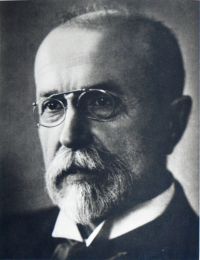
Tomáš Garrigue Masaryk examined the moral questions surrounding the use of force in anarchist revolutions, underscoring the movement's internal conflicts. These differing viewpoints illustrate anarchism's emphasis on profound societal change and viable alternatives to authoritarian rule, demonstrating its lasting significance in anti-capitalist and anti-authoritarian movements.