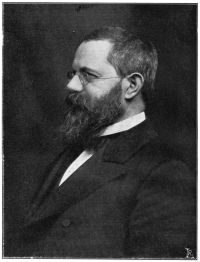
Moses Gaster

Moses Gaster

Summary

Portrait of Moses Gaster Moses Gaster 1911 Encyclopædia Britannica (1911)

Later History.—Less than fifty years from the time that they emerge out of Hungary, or even from the date of the Charter of the emperor Sigismund, they found themselves exposed to the fury and the prejudices of the people whose good faith they had abused, whose purses they had lightened, whose barns they had emptied, and on whose credulity they had lived with ease and comfort. Their inborn tendency to roaming made them the terror of the peasantry and the despair of every legislator who tried to settle them on the land.
Source: Wikisource

Portrait of Moses Gaster Moses Gaster 1911 Encyclopædia Britannica (1911)

Along with a showy handkerchief or some shining gold coins round their necks, they will wear torn petticoats and no covering on their feet. And even after they have been assimilated and have forgotten their own language they still retain some of the prominent features of their character, such as the love of inordinate display and gorgeous dress; and their moral defects not only remain for a long time as glaring as among those who live the life of vagrants, but even become more pronounced. The Gipsy of to-day is no longer what his forefathers have been.
Source: Wikisource

Portrait of Moses Gaster Moses Gaster 1911 Encyclopædia Britannica (1911)

Having no home and no country of their own and no political traditions and no literature, they would naturally try to identify themselves with the people in whose midst they lived, and would call themselves by the same name as other inhabitants of the Greek empire, known also as the Empire of New Rom, or of the Romaioi, Romeliots, Romanoi, as the Byzantines used to call themselves before they assumed the prouder name of Hellenes.
Source: Wikisource

Get perspective with Kwize: daily news enlightened by great literature