“ Hastings— Cates. The same. Glos. He bears me great good will. Cates. 'Tis true, to you, as to the lord protector, And Gloster's duke, he bows with lowly service: But were he bid to cry, God save king Richard, Then tell me in what terms he would reply. Believe me, I have prov'd the man, and found him: I know he bears a most religious reverence To his dead master Edward's royal memory, And whither that may lead him, is most plain. Yet more—One of that stubborn sort he is, Who, if they once grow fond of an opinion, They call it honour, honesty, and faith, And sooner part with life than let it go. ”
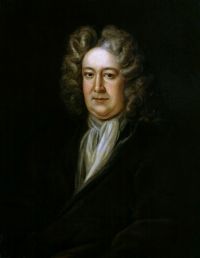
Nicholas Rowe
Summary
Nicholas Rowe’s Jane Shore, a tragic drama from the early 18th century, examines the turbulent convergence of personal integrity and political authority in the court of Edward IV. Focused on the titular heroine, a woman subjected to social condemnation and royal machinations, the play investigates themes of allegiance, censure, and the precarious status of women within a patriarchal structure.
Key characters such as Gloster, Hastings, and Alicia grapple with tensions stemming from ambition and principle, while Jane’s resilience in the face of hardship highlights the play’s ethical and emotional essence. Rowe’s dialogue-centric storytelling, characterized by moving interactions and sharp contrasts between sovereignty and human vulnerability, ultimately portrays Jane’s suffering as a warning about the price of honor in a realm ruled by arbitrary power.
Quotes from Jane Shore (Nicholas Rowe)
“ Assuage thy tears, for I will chide no more, No more upbraid thee, thou unhappy fair one. I see the hand of heav'n is arm'd against me; And, in mysterious providence, decrees To punish me by thy mistaken hand. Most righteous doom! for, oh, while I behold thee, Thy wrongs rise up in terrible array, And charge thy ruin on me; thy fair fame, Thy spotless beauty, innocence, and youth, Dishonour'd, blasted, and betray'd, by me. Alic. And does thy heart relent for my undoing? Oh, that inhuman Gloster could be mov'd, But half so easily as I can pardon! ”
“ Lord H. Rise, gentle dame, you wrong my meaning much, Think me not guilty of a thought so vain, To sell my courtesy for thanks like these. Jane S. 'Tis true, your bounty is beyond my speaking: But, though my mouth be dumb, my heart shall thank you; And when it melts before the throne of mercy, Mourning and bleeding for my past offences, My fervent soul shall breathe one pray'r for you, That heav'n will pay you back, when most you need, The grace and goodness you have shown to me. Lord H. If there be aught of merit in my service, Impute it there, where most 'tis due, to love ”
