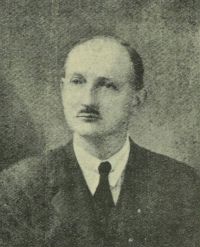
Ralph Hale Mottram

Ralph Hale Mottram

Summary

Portrait of Ralph Hale Mottram Ralph Hale Mottram The Spanish farm (1924)

She left the veterans and the mules, busy in the fields, and stood, for a few moments, on the edge of the pavé, where the by-road to the farm left it, watching the melancholy procession. True, some were laughing, or greeted her with a cheer, but the general impression of those pinched faces and anxious eyes, above worn and filthy clothes, gave a better idea than any historian will ever do, of the rigors of the blockade. Madeleine gained from the sight just her first inkling of the irreparable loss, that was to weigh upon the lifetime of her generation.
Source: Gutenberg

Portrait of Ralph Hale Mottram Ralph Hale Mottram The Spanish farm (1924)

All this made little or no impression upon Madeleine. The old life had slipped back upon her like a glove. German bombs dropped in or about the pasture, spoiled her sleep, made her apprehensive of fire and damage. Otherwise she merely learned from the talk around the kitchen stove that the war was just what she had always felt it to be—a crowning imbecility of insupportable grown-up children. All that one wanted was to be left tranquil. There was always plenty to do, and, if one were only left alone, money to be made.
Source: Gutenberg

Portrait of Ralph Hale Mottram Ralph Hale Mottram The Spanish farm (1924)

Spring came, the spring of 1918: surely the most tragically beautiful of all the springs the old world has seen! The frosts and darkness passed. Flowers came out in the Kruysabel. It was a busy time of mucking, plowing, rolling, sowing. Nothing happened. Hazebrouck, too much bombarded, ceased to hold its market. Madeleine went to Cassel instead. The news of the great German break-through on the Somme did not even impress her, she was busy preparing to get the main-crop potatoes in, before Easter. Let them fight on the Somme, so she might sow Flanders.
Source: Gutenberg

Get perspective with Kwize: daily news enlightened by great literature