Summary

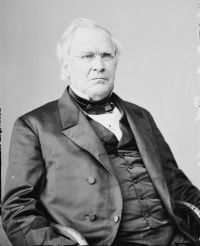
Portrait of Robert Cooper Grier Robert Cooper Grier United States v. Price (50 U.S. 83…

When an obligee takes a joint and several bond, he has nothing to ask of equity; his remedy is wholly at law. If he elects to take a joint judgment, he voluntarily repudiates the several contract, and is certainly in no better situation than if he had originally taken a joint security only; equity gives relief, not on the bond, for that is complete at law, but on the moral obligation antecedent to the bond, when the creditor could have had no remedy at law.
Source: Wikisource

Portrait of Robert Cooper Grier Robert Cooper Grier United States v. Price (50 U.S. 83…

If a surety is under no moral obligation to pay, where he is not legally bound by his contract, his conscience cannot be reached, when the law discharges him from his obligation. The law, as we have before stated, makes a part of every contract; and in case of a joint and several bond, the contract of the parties is, that the estate of the surety shall be discharged by his death, if the obligee elect to hold him jointly, and not severally, liable.
Source: Wikisource

Portrait of Robert Cooper Grier Robert Cooper Grier United States v. Price (50 U.S. 83…

If equity would not interfere in such a case to revive the legal obligation, even as against the principal debtor thus unwittingly released, it is difficult to perceive on what principle it should interpose to revive an extinguished remedy against a surety who is not bound beyond his legal liability, and who has been discharged therefrom by the voluntary act of the obligee, without any allegation of surprise or misapprehension of the law.
Source: Wikisource

Get perspective with Kwize: daily news enlightened by great literature