“ Where manly honour, taste refin’d, With ev’ry virtue, are combin’d; If you can quit a heart so true, Which has so often throbb’d for you, I’ll pity, tho’ I can’t reprove; And did I, such is Florio’s love, Eager he’d fly to take thy part, E’en in a war against his heart. THE MUSHROOM. Awake, my Muse! awake each slumb’ring string, And (mighty subject!) of a Mushroom sing, Fair to the eye, and pleasant to the taste; Charm’d by the note, a pigmy group, in haste, Lay down their grainy loads, as slow they move Thro’ lanes of reed and grass, to them a grove! ”
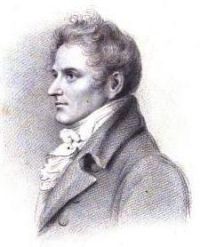
Sir John Carr
Summary
Sir John Carr’s Poems is a collection of lyrical verses that weave natural imagery, emotional depth, and reflections on virtue, published in the 18th century. The work explores themes of love, loss, and the fleeting beauty of nature, as seen in references to "flow’rs," "shade," and "autumnal leaves," while addressing figures like "Queen Bess" and "Florio.
" Carr’s verses often merge pastoral scenes with personal sentiment, as in his elegies for "William" or his reflections on "the Muse." The poems convey human emotions—sighs, tears, and longing—through vivid metaphors, ultimately portraying nature and moral grace as interconnected forces that shape both the individual and the collective human experience.
Quotes from Poems (Sir John Carr)
“ Tho’ no funereal grandeur swell my song, Nor genius, eagle-plum’d, the strain prolong,— Tho’ Grief and Nature here alone combine To weep, my William! o’er a fate like thine,— Yet thy fond pray’r, still ling’ring on my ear, Shall force its way thro’ many a gushing tear: The Muse, that saw thy op’ning beauties spread, That lov’d thee living, shall lament thee dead! Ye graceful Virtues! while the note I breathe, Of sweetest flow’rs entwine a fun’ral wreath,— Of virgin flow’rs, and place them round his tomb, To bud, like him, and perish in their bloom! ”
“ Tho’ there the mountain-nymph of song has pour’d Her loftiest strain, to bless the hero’s sword; Still, lovely wand’rer, with a jealous eye, O’er Scotia’s hills we see thy fancy fly; For here the warrior oft has rais’d his sword, The patriot too his noble blood has pour’d; Here too the sweet Recorder of the brave Has sat and sung upon her hero’s grave. Then cease, romantic maid! ah, cease to rove; The very wood-dove loves its native grove: Oh! then, let Nature bid thy guileless heart Here shed its love, and all its warmth impart ”
