Summary

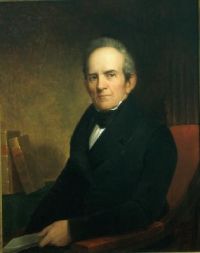
Portrait of Smith Thompson Smith Thompson Livingston v. Story — Opinion of the Court

There is one remark, which it is deemed proper to make, in regard to proceedings in equity suits in the courts of the United States. The distinction between law and equity exists in the constitution as well as in the organization of the federal courts. It cannot be lawful to confound it. Rights of the highest nature depend upon it. If the case is an equity case, its modes of proof and trial, as well as its decrees, are of one kind; if at law, they are of another. A plaintiff cannot submit the trial of facts in a case at law to the court
Source: Wikisource

Portrait of Smith Thompson Smith Thompson Livingston v. Story — Opinion of the Court

And if any part of the bill is good, and entitles the complainant, either to relief or discovery, a demurrer to the whole bill cannot be sustained. It is an established and universal rule of pleading in chancery, that a defendant may meet a complainant's bill by several modes of defence. He may dumur, answer and plead to different parts of a bill. So that if a bill for discovery and relief contains proper matter for the one, and not for the other, the defendant should answer the proper, and demur to the improper matter.
Source: Wikisource

Get perspective with Kwize: daily news enlightened by great literature