Summary

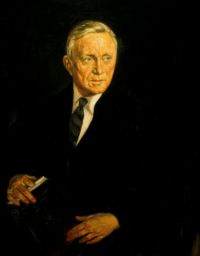
Portrait of William O. Douglas William O. Douglas Sunal v. Large Alexander — Opinion of the Court

I do not think a trial which forecloses the basic right to defend, upon the only valid ground available for that purpose, is any less unfair or conclusive as against the office of habeas corpus than one which takes place when the court is without jurisdiction to try the offense, as when the charge is made under an unconstitutional statute or for other reason sets forth no lawfully prescribed offense, or when the court loses jurisdiction by depriving the accused of his constitutional right to counsel.
Source: Wikisource

Portrait of William O. Douglas William O. Douglas Sunal v. Large Alexander — Opinion of the Court

But any effort to shut off the writ's functioning merely because appeal has not been taken in a situation where, but for that fact alone, the writ would issue, seems to meto prescri be a system of forfeitures in the last area where such a system should prevail. Certainly a basic miscarriage of justice is no less great or harmful, either to the individual or to the general cause of personal liberty, merely because appeal has not been taken, than where appeal is taken but relief is wrongfully denied.
Source: Wikisource

Portrait of William O. Douglas William O. Douglas Sunal v. Large Alexander — Opinion of the Court

Every error is potentially reversible error; and many rulings of the trial court spell the difference between conviction and acquittal. If defendants who accept the judgment of conviction and do not appeal can later renew their attack on the judgment by habeas corpus, litigation in these criminal cases will be interminable. Wise judicial administration of the federal courts counsels against such course, at least where the error does not trench on any constitutional rights of defendants nor involve the jurisdiction of the trial court.
Source: Wikisource

Get perspective with Kwize: daily news enlightened by great literature