Albigensians

Definition and stakes

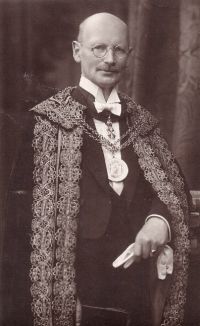
Portrait of Ernst von Dobschütz Ernst von Dobschütz The Influence of the Bible on Civilisation

They call themselves Cathari, or the pure ones, from which is derived "Ketzer," the German word for heretics. In the East they [Pg 102] often are called Bogomils or Paulicians; in the West the usual name given to them was Albigensians, from a town, Albi, in the south of France, where they had their headquarters.
The attitude of these Albigensians toward the Bible was a somewhat divided one. They accepted the New Testament and interpreted it according to their dualistic theory as a law of asceticism, herein corresponding to the church's interpretation.
Source: Gutenberg

Portrait of William Blake William Blake Jerusalem. The Emanation of the Giant Albion

I cannot put off the human form I strive but strive in vain
30 When Albion rent thy beautiful net of gold and silver twine;
Thou hadst woven it with art, thou hadst caught me in the bands
Of love; thou refusedst to let me go: Albion beheld thy beauty
Beautiful thro' our Love's comeliness, beautiful thro' pity.
The Veil shone with thy brightness in the eyes of Albion,
35 Because it inclosd pity & love; because we lov'd one-another!
Albion lov'd thee! he rent thy Veil! he embrac'd thee! he lov'd thee!
Source: Wikisource

Henry James Warner The Albigensian Heresy

According to him the Waldenses and Albigenses had only three opinions in common: (1) All oaths are unlawful; (2) any good man can receive a Confession, but only God can absolve from sin; (3) no obedience is due to the Roman Church. The following opinions he ascribes to the Albigenses, and not to the Waldenses: (1) There are two Gods, good and evil; {57} (2) the Sacraments of the Church of Rome are vain and unprofitable—the Eucharist is merely bread—a man is saved by the imposition of their hands—sins are remitted without Confession and satisfaction—Baptism avails nothing
Source: Gutenberg

Get perspective with Kwize: daily news enlightened by great literature