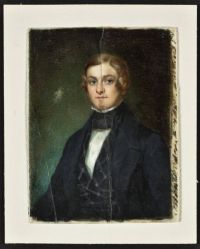
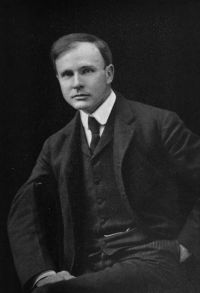
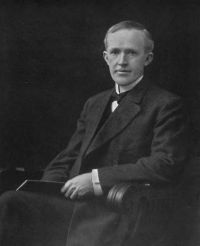
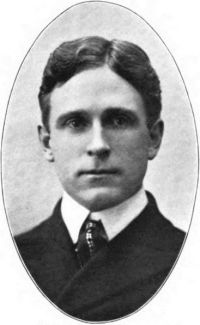
The American West, a persistent theme in literature and historiography, represents the frontier's transformative role in shaping national identity. Authors such as Frederick Jackson Turner viewed it as a crucible of democratic development, where westward expansion nurtured flexible institutions and reshaped societal values.
Emerson Hough focused on its lasting cultural impact, depicting the West as a land of endurance and unbreakable determination, while John M. Burke concentrated on its romanticized figures, such as Buffalo Bill, as embodiments of frontier creativity. These viewpoints together highlight the West’s dual nature—as both a tangible frontier and a symbol of America’s changing identity—its impact continuing to resonate within the nation’s shared consciousness.
 Emerson Hough,
The Passing of the Frontier: A Chronicle of the Old West