Anglo-Indian

Definition and stakes

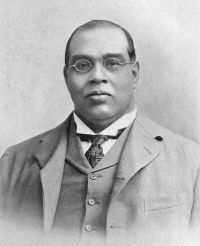
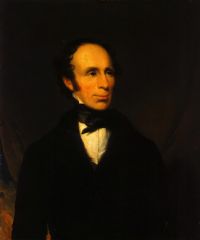
Portrait of George Dodd George Dodd,  The History of the Indian Revolt and of the Expeditions to Persia…

“ It was in the year 1857 that the charm of this delicate fidelity was first broken; and broken so appallingly, that men were long incredulous that such things could be.
But the children, the sabred and mangled little ones—that these could be so treated by the same natives, was more astounding to the Anglo-Indians than even the treatment of the women. ‘Few of our countrymen have ever returned from India without deploring the loss of their native servants. In the nursery they are, perhaps, more missed than in any other part of the establishment.
”
Source: Gutenberg

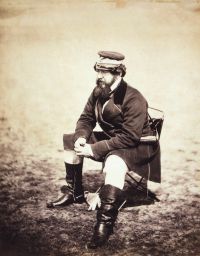
Sir Alfred C. Lyall,  Studies in Literature and History

“ These are the serious obstacles which have discouraged Anglo-Indians from attempting the pure historical romance. They knew the country too well for concocting stories after the fashion of Thomas Moore's Lalla Rookh, with gallant chieftains and beauteous maidens who have nothing Oriental about them except a few set Eastern phrases, turbans, daggers, and jewellery. They could not use the true local colour, the real temper and talk of the Indian East, without great risk of becoming neither intelligible nor interesting to the English public at large. ”
Source: Gutenberg

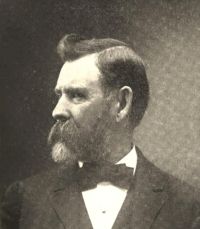
John Morrison,  New Ideas in India During the Nineteenth Century

“ If instead of adopting the attitude of exiles, thinking only of the termination of the exile and how to while away the interval, Anglo-Indians would take some interest in something Indian outside their business, much would be gained! The best Anglo-Indians are eager to promote intercourse between Europeans and Indians, but many Anglo-Indians, whatever the cause, seem incapable of friendly intercourse. ”
Source: Gutenberg

Get perspective with Kwize: daily news enlightened by great literature