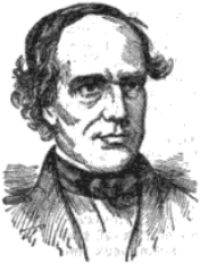
Antiochus III the Great

Definition and stakes

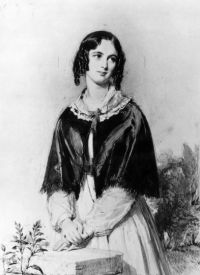
Portrait of William Ware William Ware,  Zenobia; or, the Fall of Palmyra

“ The cowardly Antiochus it was who stabbed him as he sprang from his sleep, encumbered and disabled by his night-clothes. Not a Roman has escaped with his life.
Antiochus is proclaimed king, and the streets of the city have resounded with the shouts of this deluded people, crying, 'long live Antiochus!' He has been borne in tumult to the great portico of the temple of the Sun, where, with the ceremonies prescribed for the occasion, he has been crowned king of Palmyra and of the East.
”
Source: Gutenberg

1911 Encyclopedia Britannica (1911)

“ ANTIOCHUS, the name of thirteen kings of the Seleucid dynasty in Nearer Asia. The most famous are Antiochus III. the Great (223–187 B.C.) who sheltered Hannibal and waged war with Rome, and his son Antiochus IV. Epiphanes (176–164 B.C.) who tried to suppress Judaism by persecution (see Seleucid Dynasty) . ”
Source: Wikisource

Various,  Encyclopaedia Britannica, 11th Edition…

“ Antiochus IV., of course, the enthusiastic Hellenist, filled Antioch with Greek artists and gave a royal welcome to Athenian philosophers. Even in the degenerate days of the dynasty, Antiochus Grypus, who had been brought up at Athens, aspired to shine as a poet. The values recognized in the great Hellenistic courts and the Greek world generally imposed their authority upon the dynasties of barbarian origin. ”
Source: Gutenberg

Get perspective with Kwize: daily news enlightened by great literature