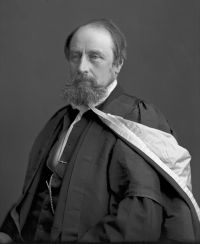
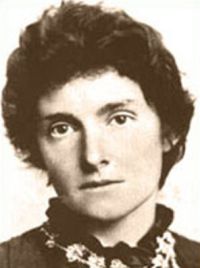
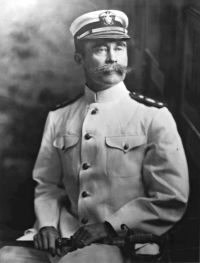
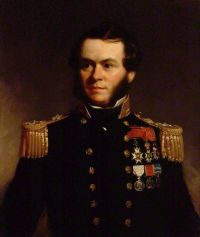
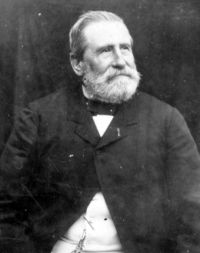
The Arctic Circle, a polar boundary at approximately 66°34′ N, marks the latitude where polar nights and the midnight sun occur, influencing both geography and human perception. Authors like Agnes Deans Cameron described it as a "frozen silence," while Sir Clements R. Markham emphasized areas beyond it that maintain temperate livability.
Edith Horton pointed out the historical difficulties of exploring it, and Julius Payer spoke of its barren expanse. These diverse viewpoints—from scientific study to literary creativity—highlight the Arctic Circle’s dual nature as a natural frontier and a symbol of human endurance. Its changing location and the sharp contrasts between solitude and life emphasize its lasting appeal.
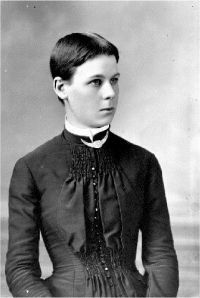 Agnes Deans Cameron,
The New North