Artaxerxes II of Persia

Definition and stakes

Various Encyclopaedia Britannica, 11th Edition…

ARDASHIR, the modern form of the Persian royal name Artaxerxes (q.v.) , “he whose empire is excellent.” After the three Achaemenian kings of this name, it occurs in Armenia, in the shortened form Artaxias (Armenian, Artashes or Artaxes) , and among the dynasts of Persia who maintained their independence during the Parthian period (see Persis) . One of these, (1) Artaxerxes or Ardashir I. (in his Greek inscriptions he calls himself Artaxares, and the same form occurs in Agathias II. 25, iv. 24) , became the founder of the New-Persian or Sassanian empire.
Source: Gutenberg

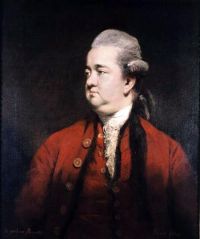
Portrait of George Rawlinson George Rawlinson The Seven Great Monarchies Of The Ancient Eastern World…

Though he had fought well at Nisibis, he had not given any indications of remarkable military talent. Artaxerxes, having taken the measure of his antagonist during the course of the Roman war, having estimated his resources and formed a decided opinion on the relative strength of Persia and Parthia, deliberately resolved, a few years after the Roman war had come to an end, to revolt and accept the consequences. He was no doubt convinced that his nation would throw itself enthusiastically into the struggle, and he believed that he could conduct it to a successful issue.
Source: Gutenberg

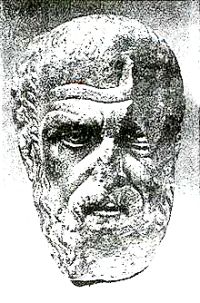
Portrait of Plutarch Plutarch Plutarch's Lives — Artaxerxes (1859)

Parysatis kept Gigis at home with her a long time, and, though the king commanded her, she would not produce her. But she, at last, herself desiring that she might be dismissed to her own home by night, Artaxerxes had intimation of it, and, lying in wait for her, hurried her away, and adjudged her to death. Now poisoners in Persia suffer thus by law. There is a broad stone, on which they place the head of the culprit, and then with another stone beat and press it, until the face and the head itself are all pounded to pieces
Source: Wikisource

Get perspective with Kwize: daily news enlightened by great literature