Battle of Fair Oaks

Definition and stakes

Robert Brady Roster and Statistical Record of Company D, of the Eleventh Regiment Maine Infantry Volunteers

The night before the battle of Fair Oaks was one of a terrible storm, that we all know. D went on picket that evening, occupying the extreme right of the line, an entirely unsupported position. The men passed a miserable night, watching in darkness and storm, sheltering themselves as they best could and still remain alert, for all the signs pointed to an early attack on us; the pressure of the enemies skirmish lines, the plain movements of their troops, and the fact that they must either dislodge us or lose Richmond.
Source: Gutenberg

Charles A. Fuller Personal Recollections of the War of 1861

Omitting the narrative of the regiment’s participation in the battles of Fair Oaks, Peach Orchard, Savage Station and White Oak Swamp, we come to the battle in which the writer received the wound which crippled him for life.
“As we drew near to the battlefield of Glendale, we came to a place which tried the courage of us all. I shall never forget that scene. The road ran through an open field which was dotted here and there with dead and wounded men.
Source: Gutenberg

Portrait of Clement Anselm Evans Clement Anselm Evans Confederate Military History (1899)

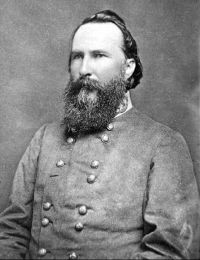
The second day of the Fair Oaks battle found Confederate troops under a new commander, by no means in accord with his subordinates. Gen. G. W. Smith wished to leave the left wing in position to meet any movement of Federals from north of the Chickahominy, while Longstreet was to push forward as the left of the main attack and D. H. Hill as the right. Hill soon discovered that the enemy along the railroad had been strongly reinforced and instead of attacking he withdrew his advanced brigades to the position from which he had driven Casey the day before.
Source: Wikisource

Get perspective with Kwize: daily news enlightened by great literature