Battle of Otterburn

Definition and stakes

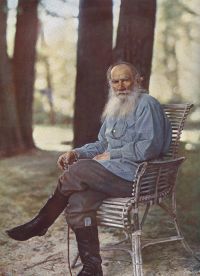
Portrait of Francis James Child Francis James Child The English and Scottish Popular Ballads…

A-coming branken us upon.
'If this be true, my little boy,
And it be troth that thou tells me,
The brawest bower in Otterburn
This day shall be thy morning-fee.
'But if it be fase, my little boy,
But and a lie that thou tells me,
On the highest tree that's in Otterburn
With my ain hands I'll hing thee high.'
The boy's taen out his little penknife,
That hanget low down by his gare,
And he gaed Earl Douglass a deadly wound,
Alack! a deep wound and a sare.
Source: Wikisource

Reliques of Ancient English Poetry…

In 1857, Robert White published an interesting History of the Battle of Otterburn, fought in 1388, with Memoirs of the Warriors who engaged in that memorable conflict. This book is written in an enthusiastic spirit by one who was born and bred on the Borders, and who kept alive in his soul the true old Border spirit. He listened on his mother's knee to the stanzas of the modern ballad of Chevy Chase, which she chanted to him, and he grew up with a feeling which he retained through life, that Percy and Douglas were far greater men than Napoleon and Wellington.
Source: Gutenberg

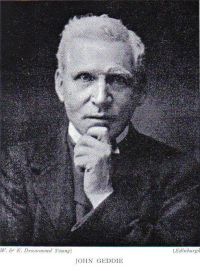
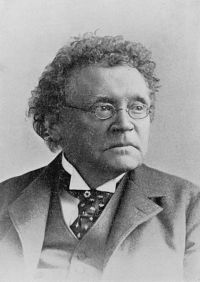
Portrait of John Geddie John Geddie The Balladists

But to suggest that not even our Historical Songs of fight and of foray against our 'auld enemies' of England are genuine, unalloyed products of the national spirit; to hint that Kinmont Willie, The Outlaw Murray, or The Battle of Otterburn itself is an exotic—that were a somewhat dangerous exercise of the art of analytic criticism, in the presence of a Scottish audience.
Source: Gutenberg

Get perspective with Kwize: daily news enlightened by great literature