Battle of Sedgemoor

Definition and stakes

Ronald MacDonald The Sword of the King

In the latter end of June Simon Emmet did one day make off, and we had great fear that he was gone to join the rebel mob that of its friends was flattered with the name of army. On the seventh day of July came the news of the battle fought at Sedgemoor, near the town of Bridgewater; and then of the great slaughter on that field, to be followed day by day with yet more grisly tales of the cruelty of the royal troops, in especial those of wicked Colonel Kirke and his regiment of soldiers from Tangier, as wicked and ruthless as himself.
Source: Gutenberg

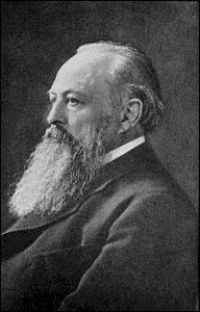
Portrait of John Acton John Acton Lectures on Modern History (1906 (this is a 1930 reprint))

It was the general opinion that the night attack at Sedgemoor would have succeeded, and that the royal army would have been destroyed, if the rebels, instead of betraying their approach with musketry, had come to close quarters with axe and scythe. The king took advantage of what had happened, and he had the means of paying a force which amounted to 14,000 men.
Source: Wikisource

Charles Morris A New History of the United States

He had a good opportunity to assail Lee in the rear, but failed to do so, and gave his efforts to capturing Marye's Heights, which was defended by a weak garrison. It was easily taken, and Sedgwick sent a column in the direction of Chancellorsville. On the road it encountered some breastworks, thrown up by the force which Lee had dispatched to check Sedgwick's advance. He was driven back, and the rebels, having been reinforced, recaptured Marye's Heights. Sedgwick made a hurried retreat, and thenceforward formed no factor in the battle.
Source: Gutenberg

Get perspective with Kwize: daily news enlightened by great literature