Battle of the Monongahela

Definition and stakes

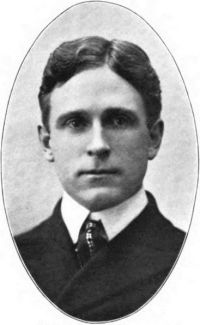
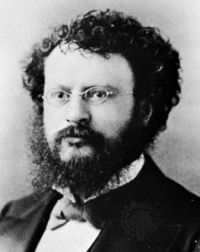
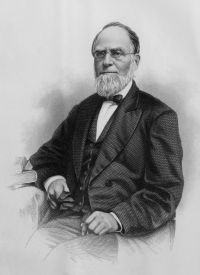
Portrait of John George Bourinot John George Bourinot Canada under British Rule 1760-1900

The leaves that lay thick and deep on the ground were reddened with the blood of many victims helpless against the concealed, relentless savages. The woods of the Chateauguay did not present such a scene of carnage as was witnessed at the battle of the Monongahela, but nevertheless they seemed to the panic-stricken invaders, who numbered many thousands, alive with an enemy whose strength was enormously exaggerated as bugle sounds and Indian yells made a fearful din on every side.
Source: Gutenberg

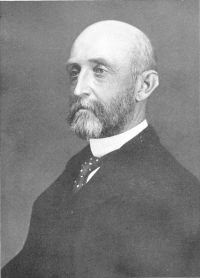
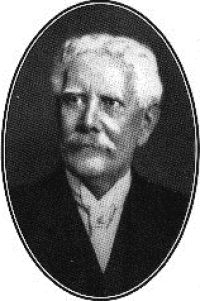
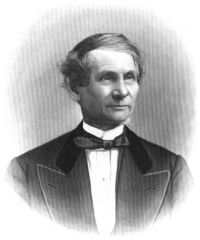
Portrait of Archer Butler Hulbert Archer Butler Hulbert Braddock's Road (1902)

No encounter has been more incorrectly described and pictured than the Battle of the Monongahela. [2] Braddock was not surprised; his advance guard saw the enemy long before they opened fire; George Croghan affirmed that the grenadiers delivered their first charge when two hundred yards distant from the Indians, completely throwing it away. Nor did Braddock march blindly into a deep ravine; his army was ever on the high ground, caught almost in the vortex of the cross-fire of the savages hidden on the brink of the ravines on either side, or posted on the high ground to the right.
Source: Wikisource

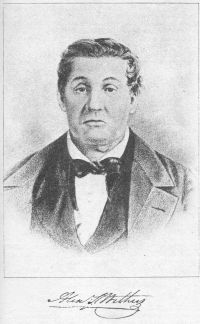
Great Men and Famous Women. Vol…

Washington was, however, attacked by a violent fever, in consequence of which he was only able to rejoin the army on the evening before the battle of the Monongahela. In that fatal affair he exposed himself with the most reckless bravery, and when the soldiers were finally put to rout, hastened to the rear division to order up horses and wagons for the wounded.
Source: Gutenberg

Get perspective with Kwize: daily news enlightened by great literature