Benguela

Definition and stakes

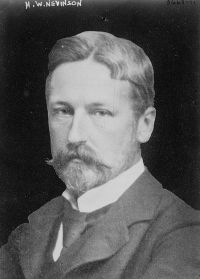
Portrait of Henry Woodd Nevinson Henry Woodd Nevinson,  A Modern Slavery (1906)

“ After leaving Benguela, till you reach the district of Bihé, you will see only one native village, and that is three miles from the road. Much of the country is fertile. Villages have been plentiful in the past. The road passes through their old fields and gardens. Sometimes the huts are still standing, but all is silent and deserted now. Till this winter there was one village left, close upon [Pg 70] the road, about a day’s trek past Caconda. But when I hoped to buy a few potatoes or peppers there, I found it abandoned like the rest. Where the road runs, the natives will not stay. ”
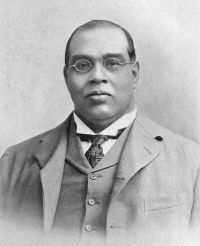
Source: Gutenberg

Charles Patrick Daly,  Popular Science Monthly (1880)

“ He states that fevers prevail all along the river-banks of the Zambesi, and in the lands adjoining the river, but that the country extending inland from the highlands of Benguela is the most suitable territory in all tropical Africa for colonization, being five thousand feet above the sea, fertile, well watered, and healthy. The people, he says, are docile, capable of improvement, are very fond of dress, and that a market would here be found for the consumption of foreign manufactures. ”
Source: Wikisource

Joachim John Monteiro,  Angola and the River Congo, vol… (1875)

“ The soil of Benguella is very fertile, and all kinds of fruit and vegetables grow splendidly. The trade is large and increasing yearly, particularly in beeswax, of which a great quantity is exported. There is, of course, the usual incubus of the custom-house, with its high duties and vexations weighing heavily on all enterprise and commerce. Not far from the beach is a large fort, garrisoned with a force of soldiers that supplies detachments to the districts of Dombe Grande, Egito, Novo Redondo, Catumbella, Caconda, and Quillengues. ”
Source: Gutenberg

Get perspective with Kwize: daily news enlightened by great literature