Black Kettle, a 19th-century leader of the Southern Cheyenne, is remembered for his efforts to achieve peace through agreements with the U.S. government, despite the violence and displacement endured by his people. His legacy is marked by the Sand Creek Massacre and his eventual death at the Washita River, events that highlight the tensions of the American Indian Wars.
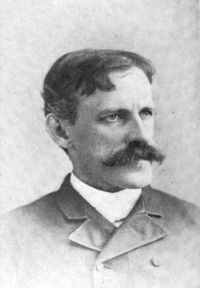
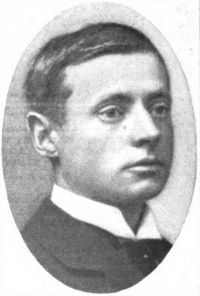
Authors such as Margaret Hill McCarter and Cyrus Townsend Brady portray Black Kettle as a figure caught between conflict and negotiation, while others, like Charles John Cutcliffe Wright Hyne, employ the name "Kettle" in fictional works to examine themes of power and resistance. These diverse depictions, ranging from historical records to literary fiction, emphasize the lasting complexity of his story, reflecting both the tragedies of colonization and the contested remembrance of Indigenous leadership.