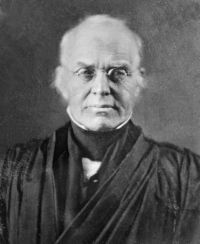
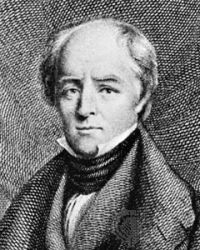
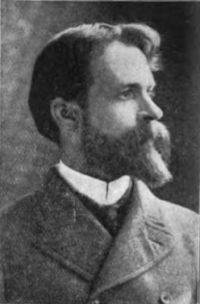
Pilotage, the practice of guiding vessels or aircraft along navigable routes, has long been a subject of legal, technical, and literary examination. From maritime law, where figures like Benjamin Robbins Curtis highlighted the pilot’s authority over a ship’s safety, to narratives such as Frederick Marryat’s Poor Jack, which portrays the practical challenges of coastal navigation, the theme reveals a combination of duty and expertise.
Authors like Claude Grahame-White expanded this concept to aerial pilotage, envisioning future air traffic regulations, while legal texts emphasized the precision required in both sea and sky. These diverse perspectives collectively illustrate pilotage as a synthesis of skill, responsibility, and evolving technological adaptation.