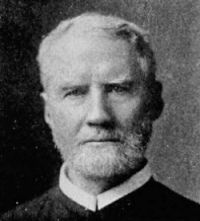
Brook Farm, an intentional community established in 1841 in Massachusetts, embodied 19th-century utopian ideals by merging transcendentalist thought with socialist innovation. Its founders, George and Sophia Ripley, sought to create a society in which collective work would support intellectual and artistic endeavors, though financial difficulties and the destruction of their Phalanstery building led to its dissolution by 1847.
Writers such as John Van der Zee Sears praised its spirit of unity, while George William Curtis described it as a pragmatic yet honorable undertaking. Although it ultimately failed, Brook Farm’s influence persists through its impact on later communities and its status as a preserved historic site, illustrating both the hopes and frailties of idealistic social reform.