Cape York Peninsula

Definition and stakes

Alexander Sutherland,  History of Australia and New Zealand from 1606 to 1890

“ In 1848 Kennedy was sent to explore Cape York Peninsula. He was landed with a party of twelve men at Rockingham Bay, and, striking inland to the north-west, travelled towards Cape York, where a small schooner was to wait for him. The difficulties met by the explorers were immense; for, in these tropical regions, dense jungles of prickly shrubs impeded their course and lacerated their flesh, while vast swamps often made their journey tedious and unexpectedly long. ”
Source: Gutenberg

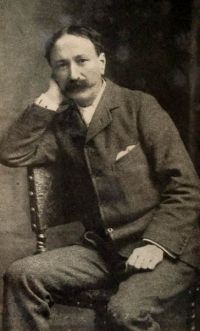
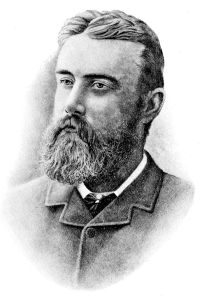
Portrait of Ernest Favenc Ernest Favenc,  The History of Australian Exploration from 1788 to 1888

“ Kennedy's second trip, to examine Cape York Peninsula, ended most disastrously. Out of his party of thirteen only two men and a black boy were rescued. Through marshes and scrubs—seemingly the one monotonous entry in their journal being, "Cutting scrub all day"—they endeavoured to push their way to Port Albany, the extreme north of the Peninsula, where a ship would meet them. Saltwater creeks and marshy ground, with the ranges inhabited by hostile natives, was their prospect, while their horses were rapidly failing on the sour coast grasses. ”
Source: Gutenberg

Portrait of Ernest Favenc Ernest Favenc,  The Explorers of Australia and their Life-work

“ Frank and Alec Jardine jointly led up the Cape York Peninsula an expedition that in its hardships and dangers emulated that of Kennedy's, but fortunately without a tragic ending. The year 1863 was one of great activity in the northern part of eastern Australia. At Cape York, the Imperial Government had, on the recommendation of Sir George Bowen, the first governor of Queensland, decided to form a settlement. John Jardine, the police magistrate of the central town of Rockhampton, was selected to take charge, and a detachment of marines was sent out to be stationed there. ”
Source: Gutenberg

Get perspective with Kwize: daily news enlightened by great literature