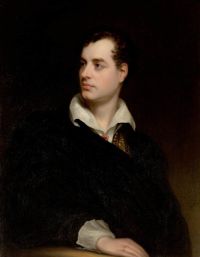
Childeric I

Definition and stakes

Jean Paul Hippolyte Emmanuel Adhémar Esmein,  1911 Encyclopædia Britannica (1911)

“ Ebroïn’s enemies set up Childeric II. in opposition to Theuderich, the king whom he had chosen without summoning the great provincial officials. Despite a temporary triumph, when Childeric was forced to recognize the principle of hereditary succession in public offices, and when the mayoralties of Neustria and Burgundy were alternated to the profit of both, Léger soon fell into disgrace and was exiled to that very monastery of Luxeuil to which Ebroïn had been relegated. Childeric having regained the mastery restored the mayor’s office, which was immediately disputed by the two rivals ”
Source: Wikisource

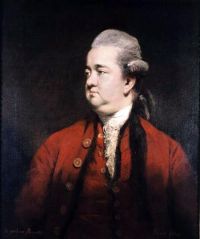
Portrait of Edward Gibbon Edward Gibbon,  The History of the Decline and Fall of the Roman Empire

“ While Childeric, the father of Clovis, lived an exile in Germany, he was hospitably entertained by the queen, as well as by the king, of the Thuringians. After his restoration, Basina escaped from her husband’s bed to the arms of her lover; freely declaring, that if she had known a man wiser, stronger, or more beautiful, than Childeric, that man should have been the object of her preference. ”
Source: Gutenberg

Various,  Encyclopaedia Britannica, 11th Edition…

“ After the death of Clotaire in 670 he became ruler of the three Frankish kingdoms, Austrasia, Neustria and Burgundy, but soon quarrelled with some supporters in Neustria, and was assassinated whilst hunting. He was buried at St Germain near Paris.
Childeric III. (d. c. 751) , king of the Franks, was the last king of the Merovingian dynasty. The throne had been vacant for seven years when the mayors of the palace, Carloman and Pippin the Short, decided in 743 to recognize Childeric as king.
”
Source: Gutenberg

Get perspective with Kwize: daily news enlightened by great literature