Congress of Soviets

Definition and stakes

John Reed,  Ten Days that Shook the World (1919)

“ Meanwhile the Congress of Soviets loomed over Russia like a thunder-cloud, shot through with lightnings. It was opposed, not only by the Government but by all the “moderate” Socialists. The Central Army and Fleet Committees, the Central Committees of some of the Trade Unions, the Peasants’ Soviets, but most of all the Tsay-ee-kah itself, spared no pains to prevent the meeting. ”
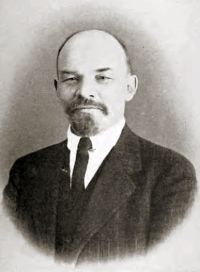
Source: Wikisource

Constitution (Fundamental Law) of the RSFSR (1918)

“ Expressing its fixed resolve to liberate mankind from the grip of capital and imperialism, which flooded the earth with blood in its present most criminal of all wars, the Third Congress of Soviets fully agrees with the Soviet Government in its policy of abrogating secret treaties, of organizing on a wide scale the fraternization of the workers and peasants of the belligerent armies, and of making all efforts to conclude a general democratic peace without annexations or indemnities, upon the basis of the free determination of peoples. ”
Source: Wikisource

Francis A. March,  History of the World War, Volume 4…

“ The fever of organization spread even to the peasants. They formed a Council of Peasants’ Deputies, modeled after the Council of Workmen and Soldiers. On the 13th of April, 1917, came the first meeting of the All-Russia Congress of Soviets, and with it a revival of the differences of opinion which ultimately were to destroy the government. The great majority were for war, but the minority, led by Lenine and the Bolsheviki element, demanded an immediate peace. ”
Source: Gutenberg

Get perspective with Kwize: daily news enlightened by great literature