Constantius III

Definition and stakes

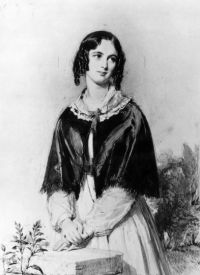
Portrait of Charlotte M. Yonge Charlotte M. Yonge,  Young Folks' History of Rome

“ Constantius was a little, mean-looking man, but he dressed himself up to do his part as Emperor. He had swarms of attendants like any Eastern prince, most of them slaves, who waited on him as if he was perfectly helpless. He had his face painted, and was covered with gold embroidery and jewels on all state occasions, and he used to stand like a statue to be looked at, never winking an eyelid, nor moving his hand, nor doing anything to remind people that he was a man like themselves. He was timid and jealous, and above all others, he dreaded his young cousin Julian, the only relation he had. ”
Source: Gutenberg

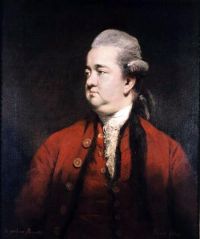
Portrait of Edward Gibbon Edward Gibbon,  The History of the Decline and Fall of the Roman Empire (1897)

“ In the full confidence that the approaching death of Constantius would leave him sole master of the Roman world, we are assured that he had arranged in his mind a long succession of future princes, and that he meditated his own retreat from public life after he should have accomplished a glorious reign of about twenty years. ”
Source: Wikisource

Portrait of Edward Gibbon Edward Gibbon,  The History of the Decline and Fall of the Roman Empire (1897)

“ The government of those ample provinces was sufficient to exercise his talents, and to satisfy his ambition. Clemency, temperance, and moderation distinguished the amiable character of Constantius, and his fortunate subjects had frequently occasion to compare the virtues of their sovereign with the passions of Maximian, and even with the arts of Diocletian. [3] Instead of imitating their eastern pride and magnificence, Constantius preserved the modesty of a Roman prince. ”
Source: Wikisource

Get perspective with Kwize: daily news enlightened by great literature