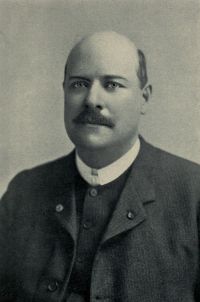
The De Lacy name, a hereditary family surname steeped in historical and literary significance, emerges in a wide range of stories, frequently linked to themes of inheritance, strife, and emotional upheaval. Authors such as Sheridan Le Fanu present it in intense, dramatic situations, as when De Lacy's rage flares in response to a child's danger, while Walter Scott places it within the psychological complexity of dreams and historical weight.
In historical records, the name is rooted in medieval ancestry, as highlighted in Dictionary of National Biography, whereas novels such as Dorothy Quick’s The Lost Door examine its connections to personal evolution and ghostly mystery. These differing depictions highlight the De Lacy name’s versatility as a narrative tool, linking the physical and the supernatural across genres and time periods.
 Sheridan Le Fanu,
Ultor de Lacy — Chapter VII: Una's Love
(1861)
Sheridan Le Fanu,
Ultor de Lacy — Chapter VII: Una's Love
(1861)