“ Brooke paused a little, and then said in a lingering low tone, “Ah? ... Well! He is a good match in some respects. But now, Chettam is a good match. And our land lies together. I shall never interfere against your wishes, my dear. People should have their own way in marriage, and that sort of thing—up to a certain point, you know. I have always said that, up to a certain point. I wish you to marry well; and I have good reason to believe that Chettam wishes to marry you. I mention it, you know.” “It is impossible that I should ever marry Sir James Chettam,” said Dorothea. ”
Dorothea Brooke
Definition and stakes
Dorothea Brooke is a literary figure prominently featured in George Eliot’s Middlemarch, where she embodies intellectual ambition and moral conflict. Through conversations with her uncle Mr. Brooke and her sister Celia, Eliot portrays her as a woman caught between societal expectations and personal ideals, as seen in her rejection of Sir James Chettam’s proposal and her quest for spiritual and intellectual fulfillment.
Kate Langley Bosher’s The Man in Lonely Land offers a contrasting perspective, depicting Dorothea’s fervent prayers for a cousin’s marriage, highlighting her role as a mediator of familial duty. These portrayals collectively underscore her complexity as a character navigating 19th-century social norms and inner aspirations.
Quotes about “Dorothea Brooke”
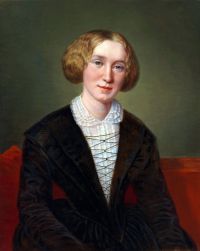 George Eliot,
Middlemarch
(1872)
George Eliot,
Middlemarch
(1872)
“ “I should be all the happier, uncle, the more room there was for me to help him,” said Dorothea, ardently. “You have quite made up your mind, I see. Well, my dear, the fact is, I have a letter for you in my pocket.” Mr. Brooke handed the letter to Dorothea, but as she rose to go away, he added, “There is not too much hurry, my dear. ”
George Eliot,
Middlemarch
(1871)
“ The rural opinion about the new young ladies, even among the cottagers, was generally in favour of Celia, as being so amiable and innocent-looking, while Miss Brooke's large eyes seemed, like her religion, too unusual and striking. Poor Dorothea! compared with her, the innocent-looking Celia was knowing and worldly-wise; so much subtler is a human mind than the outside tissues which make a sort of blazonry or clock-face for it. ”


