Dred Scott v. Sandford

Definition and stakes

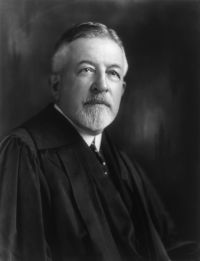
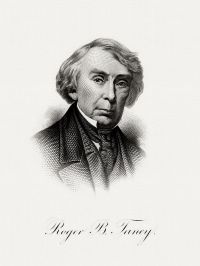
Portrait of Roger B. Taney Roger B. Taney,  Dred Scott v. Sandford — Opinion of the Court (1857)

“ Van Noorden the judgment was reversed, because it did not appear that the parties were citizens of different States. They might or might not be. But in this case it does appear that the plaintiff was born a slave; and if the facts upon which he relies have not made him free, then it appears affirmatively on the record that he is not a citizen, and consequently his suit against Sandford was not a suit between citizens of different States, and the court had no authority to pass any judgment between the parties. ”
Source: Wikisource

Portrait of Roger B. Taney Roger B. Taney,  Dred Scott v. Sandford — Opinion of the Court (1857)

“ The only power conferred is the power coupled with the duty of guarding and protecting the owner in his rights.
Upon these considerations, it is the opinion of the court that the act of Congress which prohibited a citizen from holding and owning property of this kind in the territory of the United States north of the line therein mentioned, is not warranted by the Constitution, and is therefore void; and that neither Dred Scott himself, nor any of his family, were made free by being carried into this territory
”
Source: Wikisource

Portrait of Roger B. Taney Roger B. Taney,  Dred Scott v. Sandford (60 U.S. 393…

“ The plea was as follows: 'And the said John F. A. Sandford, in his own proper person, comes and says that this court ought not to have or take further cognizance of the action aforesaid, because he says that said cause of action, and each and every of them, (if any such have accrued to the said Dred Scott,) accrued to the said Dred Scott out of the jurisdiction of this court, and exclusively within the jurisdiction of the courts of the State of Missoui ”
Source: Wikisource

Get perspective with Kwize: daily news enlightened by great literature