Drogheda

Definition and stakes

1911 Encyclopædia Britannica, Volume 8… (1911)

“ Being mostly Englishmen, they preferred to reside in the portion of their diocese within the gate, and Drogheda, being a walled town, was less liable to attack from the natives. From 1417 onwards Drogheda was their chief place of residence and of burial. Its proximity to Dublin, the seat of government and of the Irish parliament, in which the primates were such prominent figures, induced them to prefer it to Ardmacha inter Hibernicos. Archbishop O’Scanlain, who did much in the building of the cathedral at Armagh, preferred to live at Drogheda, and there he was buried in 1270. ”
Source: Wikisource

1911 Encyclopædia Britannica, Volume 8… (1911)

“ The primates of the 15th century were buried in or near Drogheda. After the Reformation five in succession lived in Drogheda and there were buried, though there is now nothing to fix the spot where any of them lies. The last of these—Christopher Hampton—who was consecrated to the primacy in 1613, repaired the ruined cathedral of Armagh. He built a new and handsome palace at Drogheda, and he repaired the old disused palace at Armagh and bestowed on it a demesne of 300 acres. ”
Source: Wikisource

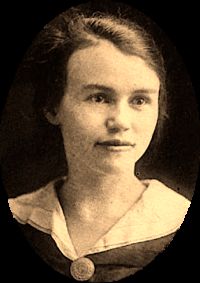
Portrait of Nora Connolly O'Brien Nora Connolly O'Brien,  The Irish rebellion of 1916 (1918)

“ It was not until we were within two miles of Drogheda that we met with any one on the road. The first person we saw was a cyclist, next we saw a man and woman going to milk the cows. And then as we went further along the road we saw many more people wending their way to town. At last, we came to Drogheda. ”
Source: Gutenberg

Get perspective with Kwize: daily news enlightened by great literature