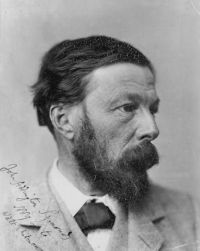
Duccio di Buoninsegna

Definition and stakes

Edmund G. Gardner The Story of Siena and San Gimignano

It is the epoch in which most of Siena’s noblest buildings were reared, the epoch in which its three supreme painters—Duccio di Buoninsegna, Simone Martini, Ambrogio Lorenzetti—for a brief while raised the school of their native city to an equality with that of Florence. Trade flourished, the university prospered; the Republic remained Guelf, though it retained a certain Ghibelline element within its core that kept it from an aggressive policy, and led the more strenuous Florentines to a proverb touching their neighbour: La lupa puttaneggia, “the she-wolf plays the harlot.”
Source: Gutenberg

Edmund G. Gardner The Story of Siena and San Gimignano

Segna di Tura di Buoninsegna, who was working in the early years of the fourteenth century, was Duccio’s pupil, perhaps his nephew; he{104} imitated the manner of his master, but somewhat ineffectually. Simone Martini, on the other hand, followed worthily in Duccio’s footsteps; with an exquisite sense of beauty and a love of splendid decorative effects in colour, he is perhaps the most typical master of “soft Siena,” doing for her in line and colour what Folgore had done in rhyme. He died in 1344. With him as assistant worked his brother-in-law, Lippo Memmi
Source: Gutenberg

Get perspective with Kwize: daily news enlightened by great literature