Dutch ships

Definition and stakes

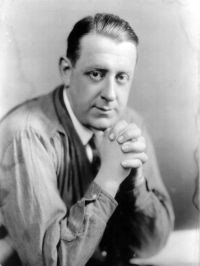
Portrait of E. Keble Chatterton E. Keble Chatterton,  Sailing ships (1909)

“ Highly ruinous as this war was to Dutch shipping and commerce, it meant the rise of our own Navy and merchant service. True, our vessels were slower under sail than the Dutchmen, yet we were more solidly built and armed more heavily. One result of the war in 1654, not a little gratifying to our pride, remained in the acceptation by the enemy that henceforth all Dutch ships, whether men-of-war or of the merchant service, on meeting any English men-of-war in British seas should strike their flags and lower topsails. ”

Source: Gutenberg

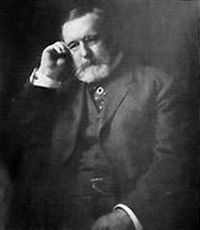
Graf E. Reventlow,  The Vampire of the Continent (1916)

“ We have already said that the Dutch ships were very numerous, and that they often had very valuable freight on board; as one may imagine, it was a splendid opportunity for the pious and morally pure English pirates to satisfy their greed under the pretext of the “right of search.” Innumerable neutral vessels were captured, brought to English harbors, there to await the decisions of the English Prize Courts. ”
Source: Gutenberg

William Wood,  Flag and Fleet: How the British Navy Won the Freedom of the Seas

“ And it angered them to see the Dutch grow rich on British trade taken away while the British were busy with a war.
When things are in such a state the guns almost go off by themselves. Captain Young, with three ships, met three Dutch men-of-war in the Channel and fired at the first that refused to salute according to the Custom of the Sea. Then the great British admiral, Blake, fired at the great Dutch admiral, van Tromp, for the same reason. A hot fight followed in each case; but without a victory for either side.
”
Source: Gutenberg

Get perspective with Kwize: daily news enlightened by great literature