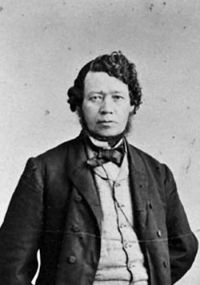
Earl of Desmond

Definition and stakes

Various Notes and Queries, Number 137, June 12…

Early in the spring of 1581, upon the Earl of Ormond leaving Ireland, Captain Raleigh (for he was then only such) , with Sir William Morgan and another gentleman, received a commission to succeed the Earl for a time in his government in Munster (the old lady's county) , and he spent the summer there of that year. It may be further remarked, that the then Earl of Desmond and Sir John Desmond are among the rebels, and that therefore the House of Desmond did suffer by attainder in the reign of Elizabeth
Source: Gutenberg

Richard Bagwell Ireland under the Tudors, with a Succinct Account of the Earlier History…

Taken unawares and but half-awake, Desmond’s companion only thought of escaping, and he was left behind and wounded in the arm with a sword-cut by a soldier named Daniel O’Kelly. ‘I am the Earl of Desmond,’ he cried, ‘save my life!’ ‘Thou hast killed thyself long ago,’ said Owen O’Moriarty, and now thou shalt be prisoner to the Queen’s Majesty and the Earl of Ormonde, Lord General of Munster.’ They carried him some distance, but a rescue was imminent, and Owen ordered O’Kelly to strike off the prisoner’s head, since it was impossible to fight thus encumbered.
Source: Gutenberg

Richard Bagwell Ireland under the Tudors, with a Succinct Account of the Earlier History…

Coyne and livery were not the invention of an Irish chief, but of one of those Anglo-Normans who knew how to better native instruction. Maurice Fitz-Thomas, Earl of Desmond, is said to have begun it under Edward II. as the only available means of coping with Edward Bruce. Originally a contrivance for carrying on war at the enemy’s expense, it came to be used by all great men at all seasons. James, the ninth Earl of Desmond, has the credit of first imposing it on loyal subjects, but the Crown was primarily to blame for neglecting to keep order.
Source: Gutenberg

Get perspective with Kwize: daily news enlightened by great literature