English colonists

Definition and stakes

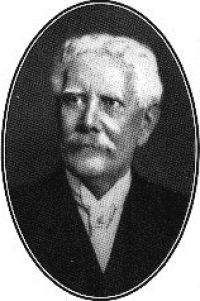
John Richard Green,  History of the English People, Volume VII

“ The Colonists still looked to England as their home. They prided themselves on their loyalty; and they regarded the difficulties which hindered complete sympathy between the settlements and the mother country as obstacles which time and good sense could remove. England on the other hand looked on America as her noblest possession. It was the wealth, the growth of this dependency which more than all the victories of her arms was lifting her to a new greatness among the nations. It was the trade with it which had doubled English commerce in half-a-century. ”
Source: Gutenberg

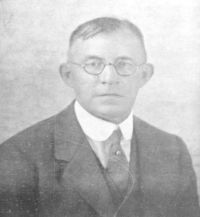
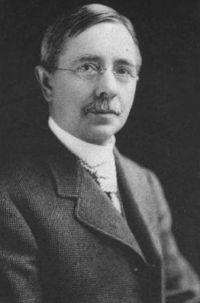
James Truslow Adams,  The Founding of New England (1921)

“ At more than one period, English colonists have been accused of believing that “it is the undoubted right of every Englishman to settle where he likes, to behave as he sees fit, and to call upon the Mother-Country to foot the bill.” [759] This, however, is not merely a colonial characteristic: it is the spirit developed upon every frontier, as the later history of American westward expansion may be called upon to illustrate; and, as we have pointed out, the whole chain of colonies formed the long encircling frontier of England. ”
Source: Gutenberg

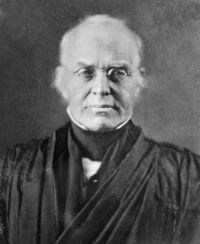
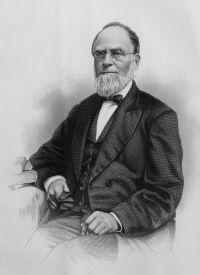
Portrait of Reuben Gold Thwaites Reuben Gold Thwaites,  The Colonies, 1492-1750

“ Differences between French and English colonists.
The difference between the character of the English and French colonies in North America was great. Englishmen were content to sow and reap in a plodding fashion, extending their territorial bounds no faster than their settlements needed room for growth. Their acquaintance with the Indians did not, with the exception of the New York and Southern fur-traders, extend beyond the tribes which touched their borders. They were possessed of remarkable vitality and a strong sense of political and commercial independence.
”
Source: Gutenberg

Get perspective with Kwize: daily news enlightened by great literature