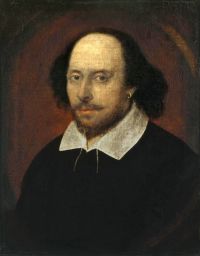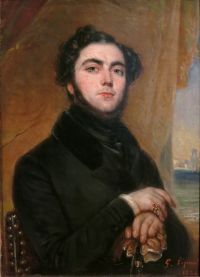
Father d'Aigrigny

Definition and stakes

Portrait of Eugène Sue Eugène Sue,  The Wandering Jew — Volume 06

“ The socius had not spoken a word, but his hideous countenance, now flushed, suddenly revealed such a sense of his superiority, and such sovereign contempt for Father d'Aigrigny, mingled with so calm and serene a daring, that the reverend father and the princess were quite confounded by it. They felt themselves overawed by this little old man, so sordid and so ugly. Father d'Aigrigny knew too well the customs of the Company, to believe his humble secretary capable of assuming so suddenly these airs of transcendent superiority without a motive, or rather, without a positive right. ”
Source: Gutenberg

Portrait of Eugène Sue Eugène Sue,  The Wandering Jew — Volume 11

“ As the marshal approached, Father d'Aigrigny rose from his seat. He wore that day a black cassock, which rendered still more visible the pale hue, which had now succeeded to the sudden flush on his cheek. For a few seconds, the two men stood face to face without speaking. The marshal was terrific in his paternal despair. His calmness, inexorable as fate, was more impressive than the most furious burst of anger.
"My children are dead," said he at last, in a slow and hollow tone. "I come to kill you."
”
Source: Gutenberg

Portrait of Eugène Sue Eugène Sue,  The Wandering Jew — Volume 10

“ Supple, prudent, skillful, knowing that the hermit had hitherto professed that generous natural religion which teaches the grateful adoration of God, the love of humanity, the worship of what is just and good, and which, disdaining dogmas, professes the same veneration for Marcus Aurelius as for Confucius, for Plato as for Christ, for Moses as for Lycurgus—Father d'Aigrigny did not at first attempt to convert him, but began by incessantly reminding him of the abominable deceptions practised upon him ”
Source: Gutenberg

Get perspective with Kwize: daily news enlightened by great literature