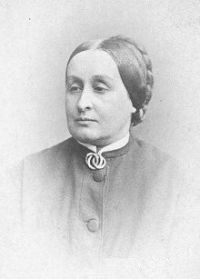
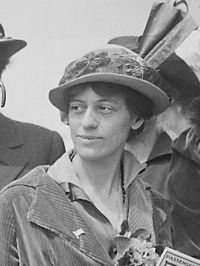
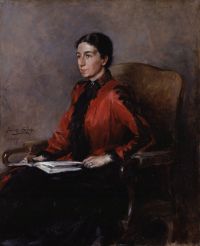
In literature, Felicia emerges as a recurring figure embodying moral complexity, emotional resilience, and the tension between duty and desire. Authors such as Eleanora H. Stooke, Lucille Van Slyke, and Karolina Světlá depict her as a character navigating personal trials—whether resisting oppressive social structures, grappling with familial legacy, or confronting emotional distress.
From Stooke’s Friendless Felicia, which emphasizes maternal love and moral determination, to Světlá’s Maria Felicia, which highlights resistance to conformity, the theme explores the interplay of inner strength and external pressures. Even in McClure’s Magazine, Felicia’s tears symbolize the unintended consequences of human actions, while Ellen Thorneycroft Fowler’s The Farringdons contrasts her spiritual idealism with worldly attachments. These portrayals collectively reveal Felicia as a lens through which authors examine the struggle to reconcile personal values with societal expectations.