Fidenae

Definition and stakes

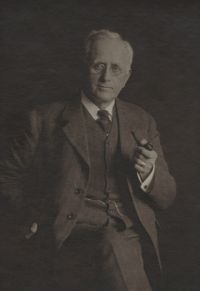
Portrait of Augustus J. C. Hare Augustus J. C. Hare,  The Story of My Life, volumes 4-6

“ How familiar all the dear places seemed on the way, and yet how changed the feeling with which one saw them—Thrasymene, Perugia, Assisi, Spoleto—all so much to us, so woven into our lives, and I was thankful for the twilight obscurity before the steep of Fidenae rose beside us, and then the towers of the beloved city crested the hill, the hill down which my darling drove so often in her little carriage to the Ponte Salario and the Ponte Nomentano, drinking in the full beauty of the historic loveliness. ”
Source: Gutenberg

Portrait of Louis Figuier Louis Figuier,  The Insect World

“ One of the largest species (Stylops Spencii) is scarcely more than two lines in length, while the smallest species yet known is not more than two-thirds of a line, or scarcely a line in breadth with its wings expanded. They undergo metamorphosis; and the males, when they have become perfect insects, fly and roam about, but the females are condemned to a perfectly quiet life. The head and the thoracic segments of the bodies of these last are united completely, but the abdomen, which is very large, always remains soft, so that the whole of the body only appears to be formed of two portions. ”
Source: Gutenberg

Portrait of Louis Figuier Louis Figuier,  The Insect World

“ The females have no wings, while the males have them, and possess very well-developed elytra. The females resemble the larvæ much, only they have the head more conspicuous, and the thorax buckler-shaped, like the male. The larvæ feed on small molluscs, hiding in the snails' shells, after having devoured the inhabitant. They also possess the phosphorescent property in a less degree than the adult females. The female pupa resembles the larva; the pupa of the male, on the contrary, has the wings folded back under a thin skin. The perfect insect appears towards the autumn. ”
Source: Gutenberg

Get perspective with Kwize: daily news enlightened by great literature