Cévennes

Definition and stakes

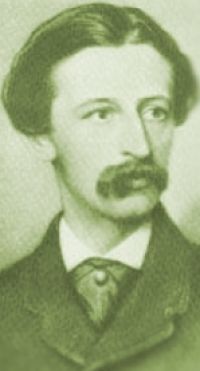
Portrait of Sabine Baring-Gould Sabine Baring-Gould A Book of the Cevennes (1907)

The nature of the mountains through and by which flows the Orb differs greatly from that of the schisty Cevennes—the Cevennes proper—and the limestone of the causses and of the garigues. They are a ripple rather than a billow, and being sheltered from the north winds by the high range at their back form a sort of natural hothouse, in which the sweetest fruits of a southern clime ripen readily, where the spring comes earliest and the autumn sun lingers longest.
Source: Wikisource

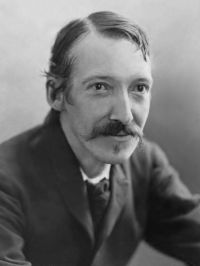
Portrait of Robert Louis Stevenson Robert Louis Stevenson Travels with a Donkey in the Cevennes (1879)

You may take this ridge as lying in the heart of the country of the Camisards; four of the five legions camped all round it and almost within view—Salomon and Joani to the north, Castanet and Roland to the south; and when Julien had finished his famous work, the devastation of the High Cévennes, which lasted all through October and November, 1703, and during which four hundred and sixty villages and hamlets were, with fire and pickaxe, utterly subverted, a man standing on this eminence would have looked forth upon a silent, smokeless, and dispeopled land.
Source: Wikisource

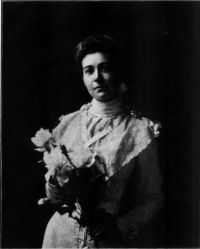
S. Baring-Gould A Book of the Cevennes

Those who seek sunshine during the winter in the Riviera leave the Cévennes far away as a bank of cloud silver-fringed on their right hand beyond the Rhône. On their way back to England in spring they are disinclined to loiter, and break their home journey for the sake of excursions into this region, so little explored. In like manner, those who go to Pau are carried by the railway far away to the west, and see nothing of the plateau, because it slants downwards from the lofty ridge to the east.
Source: Gutenberg

Get perspective with Kwize: daily news enlightened by great literature