Saint-Étienne

Definition and stakes

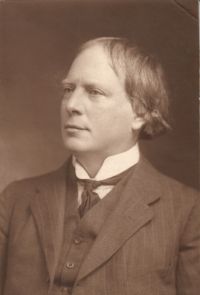
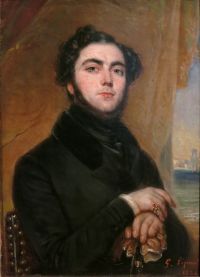
Portrait of Edith Wharton Edith Wharton A Motor-Flight Through France (1908)

The compact little Romanesque cathedral of Saint Etienne, scantily adorned by the light exterior arcade of its nave, is seated on an open terrace overlooking the Rhone. As sober, but less mellow, within, it offers—aside from the monument to Pius VI., who ended his troubled days here—only the comparatively recondite interest of typical constructive detail; and the impressionist sight-seer is likely to wander out soon to the little square beyond the apse.
Source: Wikisource

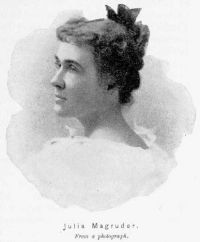
Portrait of Anne Hollingsworth Wharton Anne Hollingsworth Wharton In Château Land

When we were studying routes in Geneva yesterday it seemed quite possible to go to Tours by Bourges and Saincaize, and thus secure a day in Bourges for the cathedral of Saint Etienne, which is said to be one of the most glorious in France, and not less interesting to see the house of the famous merchant-prince who supplied the depleted coffers of Charles VII, Jacques Cœur, the valiant heart to whom nothing was impossible, as his motto sets forth.
Source: Gutenberg

Sophia Beale The Churches of Paris, from Clovis to Charles X

The main attraction of S. Étienne is the tomb of S. Geneviève. Long before the Panthéon ceased to be the church of the maid of Nanterre, it was to S. Étienne that the faithful journeyed to pray for her intercession, and to have their belongings laid upon her coffin. Here, any day, but especially during the octave of her fête, you may see people bringing handkerchiefs, rosaries, crosses, towels, etc., to be placed in the shrine, in order to carry the Saint's blessing and help to the sick and the suffering at home.
Source: Gutenberg

Get perspective with Kwize: daily news enlightened by great literature