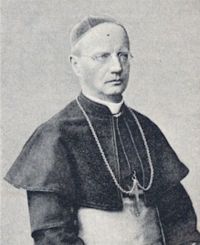
The concept of "Salomon" primarily calls to mind the biblical King Solomon, celebrated for his wisdom and spiritual insight, yet it extends beyond religious contexts through literary and philosophical reinterpretations. Authors such as Geoffrey Chaucer drew upon Solomon’s teachings on reputation and moral responsibility, as seen in The Tale of Melibee, while Francis Bacon reimagined his name as a representation of eternal knowledge, stating that "all novelty is but oblivion.
" Theologians like Philip Schaff viewed Solomon as a Christ-like figure, highlighting themes of reconciliation, whereas Robert Louis Stevenson wove the name into narrative tension, contrasting historical and fictional forces. These diverse perspectives—from moral parable to theological symbol—underscore Salomon’s lasting significance as an emblem of wisdom, mediation, and the dynamic relationship between human and divine power.
 Philip Schaff,
Nicene and Post-Nicene Fathers…
(1885)
Philip Schaff,
Nicene and Post-Nicene Fathers…
(1885)