Melchizedek

Definition and stakes

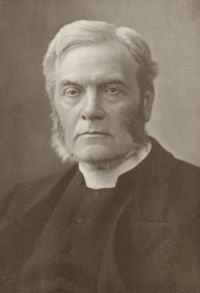
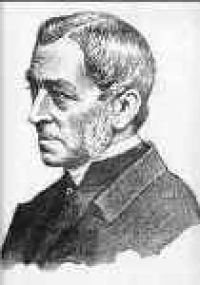
Portrait of Sabine Baring-Gould Sabine Baring-Gould,  Legends of Old Testament Characters (1871)

“ The queen was at home weeping, and she said to Melchizedek, "Dost thou not weep for thy brother, whom we have brought up with so much care, and who is led to the slaughter?"
Melchizedek wept, and he said to his mother, "I will go and invoke the Lord, the only true God Most High."
He ascended Tabor, and kneeling down, he prayed, saying, "My God, Lord of all, Creator of heaven and earth, I adore Thee as the only true God; hearken now unto my prayer. May the earth open her mouth and swallow up all those who assist at the sacrifice of my brother!"
”
Source: Wikisource

E. P. Barrows,  Companion to the Bible

“ In the interpretation of this difficult passage, we must begin with the axiomatic principle that Melchizedek was a human being. He could not have been, as some have thought, the Son of God himself; for how could the Son of God be "made like unto the Son of God?" Nor could he have been an angel; for angels are not partakers of human nature, and cannot therefore typify him who came in human nature to deliver those who are "partakers of flesh and blood." ”
Source: Gutenberg

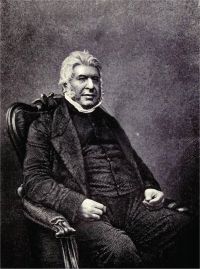
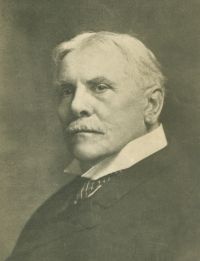
Portrait of B. H. Roberts B. H. Roberts,  The Seventy's Course in Theology…

“ Conjectures Concerning Melchizedek: "The faith of early ages ventured to invest his person with superstitious awe. Perhaps it would be too much to ascribe to mere national jealousy the fact that Jewish tradition, as recorded in the Targums of Pseudo-Jonathan and Jerusalem, and in Rashi on Gen. xiv in some cabalistic writers, pronounces Melchizedek to be a survivor of the Deluge, the patriarch Shem, authorized by the superior dignity of old age to bless even the father of the faithful, and entitled, as the paramount lord of Canaan (Gen. ix. 26) to convey (xiv. 19) his right to Abram. ”
Source: Gutenberg

Get perspective with Kwize: daily news enlightened by great literature