Fifth Amendment to the United States Constitution

Definition and stakes

Portrait of Simeon E. Baldwin Simeon E. Baldwin The American Judiciary

The fifth amendment to the Constitution of the United States, and similar provisions in the various State Constitutions, preclude, so long as they stand, any radical reform in this direction. They speak for a policy that was necessary under the political conditions preceding the American Revolution, but which is out of harmony with those now existing in the United States. The interests of society are greater than those of any individual, and yet it is with us the State that is deprived in public prosecutions of an equal chance with the accused.
Source: Gutenberg

The Constitution of the United States of America…

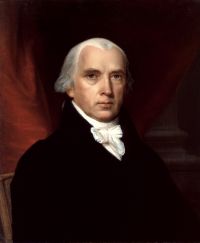
It ought not to require argument to reject the notion that due process of law meant one thing in the Fifth Amendment and another in the Fourteenth. The Fifth Amendment specifically prohibits prosecution of an 'infamous crime' except upon indictment; it forbids double jeopardy; it bars compelling a person to be a witness against himself in any criminal case; it precludes deprivation of 'life, liberty, or property, without due process of law * * *' Are Madison and his contemporaries in the framing of the Bill of Rights to be charged with writing into it a meaningless clause?
Source: Gutenberg

Portrait of John Yoo John Yoo Justice Department Memo on Torture (2003)

Second, even if the Fifth Amendment applied to enemy combatants in wartime, it is clear that that the Fifth Amendment .does not operate outside the United States to regulate the Executive's conduct toward ,aliens. The Supreme Court has squarely held that the Fifth Amendment provides no rights to non-citizens who have no established connection to the country and who are held outside sovereign United States territory.
Source: Wikisource

Get perspective with Kwize: daily news enlightened by great literature