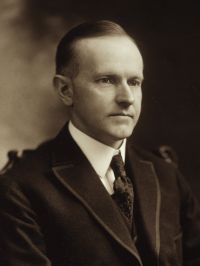
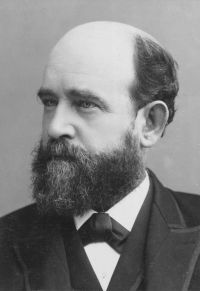
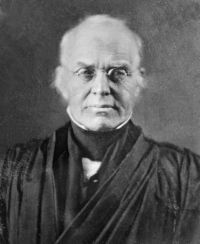
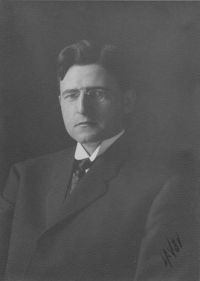
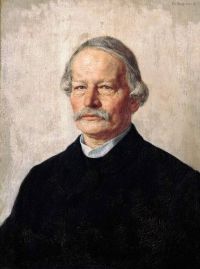
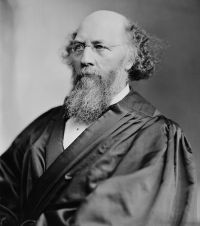
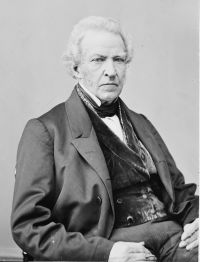
Property rights refer to the legal and philosophical acknowledgment of individuals' control over their possessions, including both physical assets and intangible interests. This concept has been examined from various perspectives: Austin Lewis criticizes property rights for favoring owners over producers, while Pierre-Joseph Proudhon questions their absolutism, asserting that they depend on presence and virtue.
Calvin Coolidge views property rights as equivalent to personal rights, yet Hugo Black emphasizes how the public use of private property limits ownership. The theme connects with freedom, labor, and governance, exposing conflicts between individual autonomy and communal well-being. These viewpoints together illustrate property rights as both fundamental and disputed, influenced by legal, moral, and societal factors.