The Free Church of Scotland, founded in 1843 during the Disruption, arose as a Calvinist denomination opposing state interference in religious matters. Writers such as Hugh Miller examined its challenge of maintaining spiritual autonomy while confronting societal issues, whereas Allan Menzies focused on its function as a national institution engaged in education and moral improvement.
Theology and financial matters defined its character, from Thomas Chalmers’ Sustentation Fund to discussions about funding related to slavery. By combining these viewpoints, the Free Church’s legacy illustrates both its dedication to doctrinal integrity and its intricate interaction with social and political forces in 19th-century Scotland.
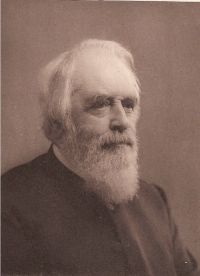 William Garden Blaikie,
The Expositor's Bible: The Second Book of Samuel
William Garden Blaikie,
The Expositor's Bible: The Second Book of Samuel