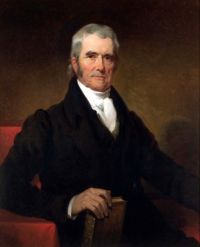
George Anson, 1st Viscount Anson

Definition and stakes

Charles Mackie,  Norfolk Annals, Vol. 2

“ George Anson, Commander-in-Chief of the troops in India. He was the second son of Thomas, first Viscount Anson, and brother of the first Earl of Lichfield, served in the Scots Fusilier Guards, and was present at the battle of Waterloo. In 1818 he was returned for Yarmouth, and represented the borough in several Parliaments before and after the passing of the Reform Bill. By hereditary descent and by personal conviction he was a Liberal in politics, and invariably sided with the leaders of the Whig party. He became Major-General on November 11th, 1851. ”
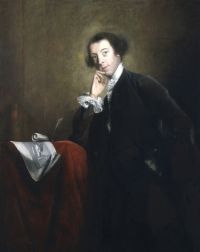
Source: Gutenberg

1911 Encyclopædia Britannica (1911)

“ In 1801 he was created Viscount Cranley and earl of Onslow, and he died at his Surrey residence, Clandon Park, on the 17th of May 1814. The second earl was his eldest son Thomas (1754–1827) , whose son Arthur George (1777–1870) , the 3rd earl, died without surviving male issue in October 1870. He was succeeded by his grand-nephew, William Hillier, 4th earl of Onslow (b. 1853) , who was governor of New Zealand from 1888 to 1892; under-secretary for India from 1895 to 1900 ”
Source: Wikisource

The New International Encyclopædia…

“ Both vessels and stores were bad and the sailors were old Chelsea pensioners; yet Anson, in spite of these disadvantages, achieved a brilliant reputation by the heroism, prudence, diligence, and humanity he displayed. After his little fleet of seven vessels had been scattered by a storm in doubling Cape Horn, he landed at Juan Fernandez, where he was soon joined by three of his ships, which arrived in a dismantled condition. While he remained on this island, he exhibited his native tenderness of character by the assiduity with which he cared for the sick. ”
Source: Wikisource

Get perspective with Kwize: daily news enlightened by great literature