George II

Definition and stakes

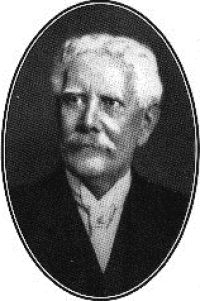
Portrait of William Makepeace Thackeray William Makepeace Thackeray,  Henry Esmond; The English Humourists…

“ Show me the happy man whose life exhibits these qualities, and him we will salute as gentleman, whatever his rank may be; show me the prince who possesses them, and he may be sure of our love and loyalty. The heart of Britain still beats kindly for George III,—not because he was wise and just, but because he was pure in life, honest in intent, and because according to his lights he worshipped Heaven. ”
Source: Gutenberg

Various,  Blackwood's Edinburgh Magazine…

“ George II. was a stern and stubborn man, possessed of considerable ability, but unpopular in its application; unimpassioned, but ambitious of fame; longing to figure in war, but compelled by the nation to peace; uneasy in England, and never happy but in Hanover, from which he imported his prejudices and his favourites, his politics and his household; fond of power, but capable of complying with the public will; and retaining all the feelings of a German Elector, yet respectful to the laws of a limited monarchy. ”
Source: Gutenberg

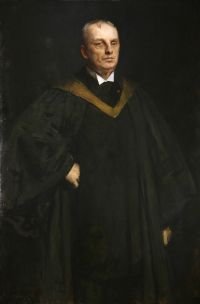
Portrait of Samuel Rawson Gardiner Samuel Rawson Gardiner,  1911 Encyclopædia Britannica, Volume 11… (1911)

“ It is in his reliance upon the prejudices and ignorance of the country that the constitutional significance of the reign of George III. appears. Every strong government derives its power from its representative character. At a time when the House of Commons was less really representative than at any other, a king was on the throne who represented the country in its good and bad qualities alike, in its hatred of revolutionary violence, its moral sturdiness, its contempt of foreigners, and its defiance of all ideas which were in any way strange. ”
Source: Wikisource

Get perspective with Kwize: daily news enlightened by great literature