Gomti River

Definition and stakes

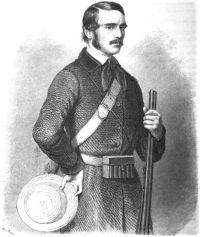
William Charles Benett,  Gazetteer of the Province of Oudh Vol-2 -- H. to M. (1877)

“ The Gumti during the winter and summer is here a gentíc stream whose dry weather discharge is not more than 300 cubic feet; it has high sandy banks on each side, is easily fordable at all places, and at certain spots is not more than two feet deep. It is nowhere bridged in this district. The Sai, which during the rains has an enormous torrent of water, is here an insignificant river, with a channel hardly sunk below the general surface till it gets beyond the latitude of Hardoi opposite Sandíla. ”
Source: Wikisource

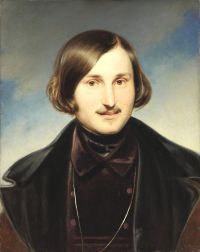
Portrait of Nikolai Gogol Nikolai Gogol,  Dead Souls—A Poem (1922)

“ The river, faithful to its high banks, makes with them many a crook and turn across the whole expanse, but sometimes it escapes from them altogether into the meadows, then after taking several twists it flashes like fire in the sun, hides in a copse of birch-trees, aspens and alders, and races out of it in triumph accompanied by bridges, water-mills and dams which seem to be pursuing it at every turn. ”
Source: Wikisource

Portrait of Charles Eliot Charles Eliot,  Hinduism and Buddhism, An Historical Sketch…

“ Clear flows the river and pleasant are the bathing places: all around are meadows and villages." Here he determined to devote himself to the severest forms of asceticism. The place is in the neighbourhood of Bodh-Gaya, near the river now called Phalgu or Lilañja but formerly Nerañjara. The fertile fields and gardens, the flights of steps and temples are modern additions but the trees and the river still give the sense of repose and inspiration which Gotama felt, an influence alike calming to the senses and stimulating to the mind. ”
Source: Gutenberg

Get perspective with Kwize: daily news enlightened by great literature