Ujiji

Definition and stakes

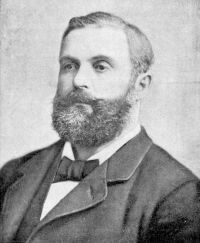
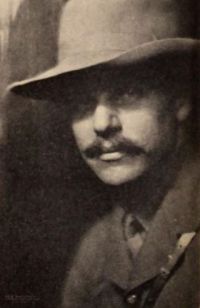
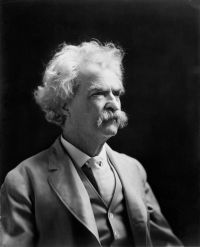
Portrait of Mark Twain Mark Twain,  Mark Twain's Speeches

“ I found that man at Ujiji—a place you may remember if you have ever been there—and it was a very great satisfaction that I found him just in the nick of time. I found that poor old man deserted by his niggers and by his geographers, deserted by all of his kind except the gorillas—dejected, miserable, famishing, absolutely famishing—but he was eloquent. ”
Source: Gutenberg

1911 Encyclopædia Britannica, Volume 27… (1911)

“ UJIJI, a town in German East Africa, also known as Kavele, situated on the eastern shores of Lake Tanganyika, in 4° 55′ S., 29° 40′ E. It is connected with Cape Town by an overland telegraph line. The population (about 14,000) is composed of Arabs and members of numerous Central African tribes. Ujiji is the meeting-point of merchants from all parts of Tanganyika, and the terminus of the caravan route from Dar-es-Salaam. Arabs from Zanzibar made Ujiji their headquarters during the first half of the 19th century, and it became a great slave and ivory mart. ”
Source: Wikisource

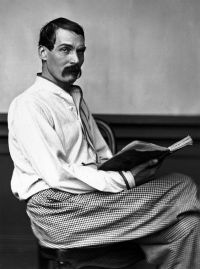
Portrait of Sir Richard Francis Burton Sir Richard Francis Burton,  The Lake Regions of Central Africa…

“ Ujiji, therefore, never rose to the rank of Unyanyembe or Msene. At present it is visited during the fair season, from May to September, by flying caravans, who return to Unyanyembe as soon as they have loaded their porters.
Abundant humidity and a fertile soil, evidenced by the large forest trees and the abundance of ferns, render Ujiji the most productive province in this section of Africa: vegetables, which must elsewhere be cultivated, here seem to flourish almost spontaneously. Rice of excellent quality was formerly raised by the Arabs upon the shores of the Tanganyika
”
Source: Gutenberg

Get perspective with Kwize: daily news enlightened by great literature