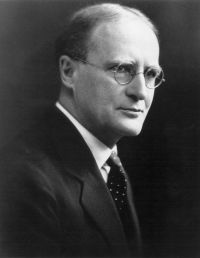
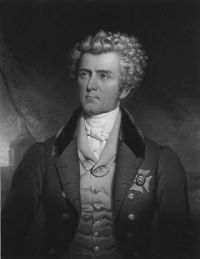
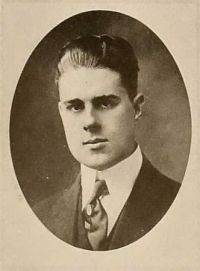
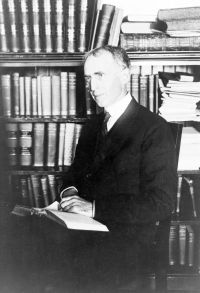
The Great Western Railway (GWR), a British railway company active from 1833 to 1947, linked London with southwest England, Wales, and the West Midlands. Designed by Isambard Kingdom Brunel, it introduced a broad gauge (7 ft) and became celebrated for its engineering achievements, such as the Box Tunnel and Maidenhead Bridge. Writers like Edwin A.
Pratt examined its controversial beginnings, while Edward Hungerford acknowledged its unmatched supremacy in western Britain. William James Cunningham underscored its logistical importance during conflicts, illustrating its flexibility. The GWR’s legacy combines technical advancement, regional impact, and a distinctive character that lasted until nationalization, highlighting its essential role in shaping British railway history.