Greenland whale

Definition and stakes

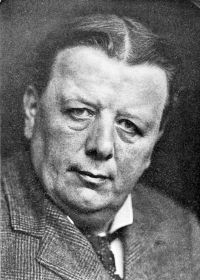
Portrait of Martha Finley Martha Finley,  Elsie's Winter Trip

“ The Greenland whale, for instance, is inoffensive and timorous, and will always flee from the presence of man, unless roused by the pain of a wound or the sight of its offspring in danger. In that case, it will sometimes turn fiercely upon the boat in which the harpooners are who launched the weapon, and, with its enormous tail, strike it a blow that will shatter it and drive men, ropes and oars high into the air. That Greenland whale shows great affection for both its mate and its young. ”
Source: Gutenberg

Various,  Birds and Nature Vol. 11 No. 1…

“ The Greenland Whale is, on the whole, an amiable animal. It seems to prefer to live at peace with its kind, and although it can make great havoc with its immense tail fin, it seemingly does so by accident rather than from viciousness.
Like all other animals the whale has its enemies, especially when young. The killer-whale and some sharks hunt and attack the young whales, as indeed they do the older ones; but the greatest enemy of all is man. For a thousand years he has systematically pursued and captured many species, until some are nearly exterminated.
”
Source: Gutenberg

Phebe Westcott Humphreys,  A Natural History for Young People…

“ The Great Greenland Whale is a large, heavy animal, and the head alone makes a third of its bulk. It is usually found from sixty to seventy feet long. The fins on each side are from five to eight feet, composed of bones and muscles, and sufficiently strong to give the great mass of body which they move, speed and activity. The tail, which lies flat on the water, is about twenty-four feet broad, and, when the Whale lies on one side, its blow is tremendous. The skin is smooth and black, and in some places marbled with white and yellow ”
Source: Gutenberg

Get perspective with Kwize: daily news enlightened by great literature